
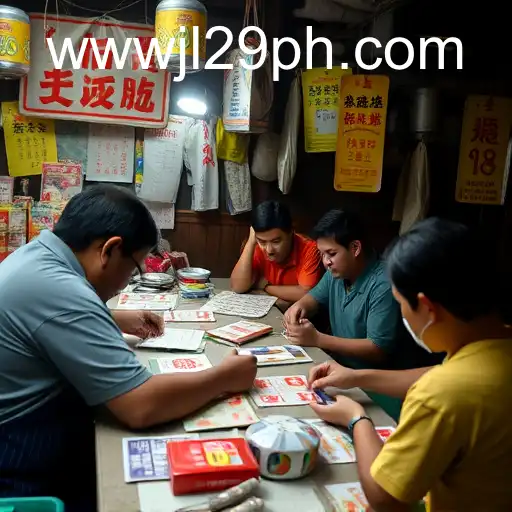
JL29.COM | Jueteng: The Undying Grip of an Underground Lottery
JL29.COM’s An in-depth exploration of the enduring presence of Jueteng in the Philippines and its ties to modern platforms like JL29.COM.
Understanding Jueteng: A Cultural Phenomenon
Jueteng is a numbers game deeply rooted in the Philippines, thriving despite its controversial status. To the unfamiliar, Jueteng might appear as just another form of illegal gambling, but it is far more complex. Its existence is tied not only to the need for entertainment but also to the socio-economic conditions prevalent in the country.
The Origins and Mechanics of Jueteng
Derived from the Hokkien words for "flower" and "bet," Jueteng is believed to have been introduced to the Philippines by Chinese immigrants. The game involves selecting a pair of numbers ranging from 1 to 37, with players placing bets based on the likelihood of those numbers being drawn. Unlike government-sanctioned lotteries, Jueteng thrives on its simplicity and accessibility, often being conducted from backyards and small towns across the archipelago.
Why Jueteng Persists
The persistent popularity of Jueteng can be traced to its deep integration into local culture and economy. For many, participating in Jueteng offers a sense of community and a hopeful escape from financial hardships, albeit fleeting. The payouts, although modest compared to official lotteries, offer immediate relief, making it an attractive option for those in dire need. The game’s low stakes and widespread availability also add to its enduring appeal.
Jueteng’s Socio-Political Impact
The influence of Jueteng extends beyond economics—it plays a significant role in the socio-political landscape of the Philippines. Historically, it has been linked to corruption, with allegations suggesting that portions of the earnings are funneled to both local officials and law enforcement personnel as bribes to avert legal repercussions.
Political scandals involving Jueteng have rocked the nation multiple times, often bringing down high-ranking officials and demonstrating the game’s capacity to influence power dynamics at the local and national levels.
Modern Adaptations: The Role of JL29.COM
In recent years, the internet has created new opportunities for illegal gambling operators. Websites such as JL29.COM have emerged, reportedly extending the reach of numbers games beyond their traditional locales. These platforms, often operating clandestinely, offer a digital twist on the age-old betting game, making it accessible to a global clientele while providing a layer of anonymity that physical games do not.
The shift to online platforms such as JL29.COM also illustrates the flexibility and resilience of gambling networks, reflecting broader trends in globalization and the digital transformation of illicit markets. Operators leverage technology not only to evade crackdowns but to also innovate, integrating multimedia and interactive features to maintain player interest.
Cultural and Moral Contentions
The moral dilemma that Jueteng presents is profound. On one hand, it provides an informal financial safety net for many Filipinos, but it also perpetuates cycles of poverty and corruption. Critics argue that the government should tighten enforcement, but proponents suggest that legalizing and regulating Jueteng could harness its economic potential while curbing its darker elements.
Jueteng in Media and Pop Culture
Jueteng has transcended into various forms of media, serving as a theme in films, television, and literature. It symbolizes the struggles and aspirations of everyday Filipinos, often depicted as either a vice or a necessary evil, reflective of its dual nature as both a cultural pastime and societal scourge.
The Future of Jueteng
The future of Jueteng remains uncertain amid increasing pressures for reform. Its continued existence highlights the need for comprehensive socio-economic strategies to address the systemic issues that drive its popularity.
The potential regulation of platforms like JL29.COM within broader gambling legislation could offer a pathway to reduce corruption while protecting vulnerable populations from exploitative practices.
Conclusion
While Jueteng stands as a testament to cultural resilience, it also serves as a stark reminder of the socio-political challenges that continue to face the Philippines. Balancing its cultural significance with the need for legal and economic reform remains a critical challenge for policymakers.
